Diode vs Alexandrite Laser Hair Removal
This comparison sets the two hair removal families this manufacturer produces side by side: the 810 nm diode platform (Milestone systems) and the 755 nm alexandrite platform (Alex 755). The honest summary is that they are complementary, not rivals — the diode covers the full Fitzpatrick range including tanned skin, and the alexandrite is the traditional specialist for lighter skin and hair types I–IV.
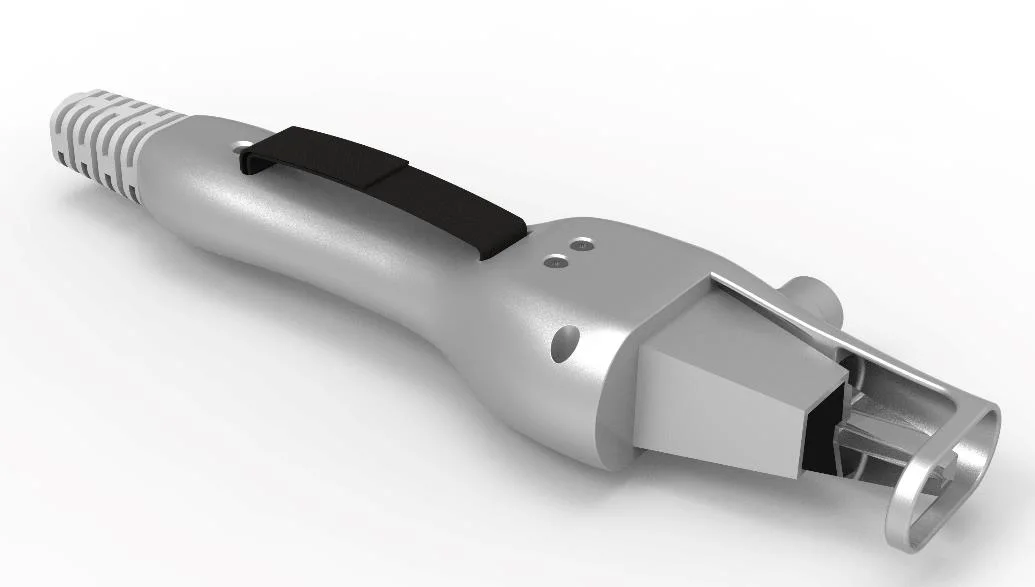
Alex755 Gentle water-free laser hair removal machine
Parameter comparison
The table uses each family's published parameter set — the Milestone diode specification and the Alex 755 specification — with no figures borrowed from any other maker's machines.
| Wavelength | Diode 810 nm nominal · Alexandrite 755 nm |
|---|---|
| Skin / hair range | Diode: Fitzpatrick I–VI incl. tanned skin · Alexandrite: hair types I–IV |
| Fluence | Diode 1–40 J/cm² · Alexandrite 0–100 J/cm² |
| Pulse duration | Diode 3–160 ms · Alexandrite 3–200 ms |
| Repetition rate | Both 1–10 Hz |
| Cooling | Diode: sapphire contact + TEC · Alexandrite: dynamic DCD spray |
| Treatment format | Diode: contact window · Alexandrite: non-contact |
| Regulatory note | Milestone diode systems: FDA 510(k) cleared for the stated indication |
Where each platform wins
Melanin absorption drives the difference. At 755 nm, absorption is stronger, which is why alexandrite is so effective on lighter skin with darker hair — and why its range stops at hair types I–IV. At 810 nm, absorption is lower and the energy reaches deeper, which supports treatment across the full Fitzpatrick range including tanned skin; that breadth is written into the Milestone clearance. A clinic whose patients span the full range generally leads with the diode. A clinic concentrated in lighter skin types, or whose clinicians trained on alexandrite, often leads with the Alex 755.
Cooling is the second real difference. The diode's sapphire contact cooling presses a cooled window to the skin and adds TEC support — a contact method patients feel as continuous cooling. The alexandrite's DCD spray cools the skin at the pulse moment without contact, which suits clinicians who prefer a non-contact working style and fast passes over large areas.
The two-platform answer
Most established hair removal practices end up running both wavelengths, because the patient mix walks through the door mixed. The buying sequence is usually: lead platform first, chosen by your dominant skin-type segment; second platform when the menu gaps show up in refused or referred-out patients. Because both families come from one manufacturer here, the second platform arrives with the same documentation route, the same inquiry channel and a service structure your team already knows.
- Full-range and tanned-skin work: diode 810 nm
- Lighter skin, hair types I–IV specialism: alexandrite 755 nm
- Contact cooling vs non-contact DCD is a clinician-preference call
- Both platforms documented and supplied by one manufacturer
The consultation-room test
Strip away the brochures and the comparison reduces to a question a clinic can answer from its own appointment book: who actually walks in? A practice serving mostly lighter skin and hair types, where clients arrive asking for the alexandrite name they have read about, will keep a 755 nm platform busy and satisfied. A practice drawing the full local population needs the diode's Fitzpatrick I–VI breadth as its foundation, because turning away darker-skinned clients is both a revenue leak and a reputational one. The platforms are not rivals in the abstract; they are answers to different patient lists.
A second test concerns hair itself. Fine, lighter hair on fair skin is the alexandrite's home ground, where strong melanin absorption at 755 nm does efficient work. Coarser, deeper follicles across a range of skin tones are the diode's daily bread, its longer wavelength trading some absorption for depth and safety margin. Clinics that track why clients were declined — wrong skin type, wrong hair type, wrong expectations — can read next year's platform purchase directly from this year's refusal log.
Ownership economics over five years
Purchase price is the smallest honest number in this comparison. The fuller account includes cooling consumables (the alexandrite's DCD arrangement versus the diode's contact-cooling upkeep), handpiece service intervals, room throughput per hour, and the revenue shape of the menus each platform enables. A diode room running full-body courses at high repetition behaves like a production line; an alexandrite room often behaves like a specialist boutique, fewer clients at a premium positioning. Neither shape is superior — but they imply different staffing, different marketing promises and different break-even points, and a buyer should model the shape they actually intend to operate.
Resale and redeployment deserve a sentence too. A platform bought for a patient mix that later shifts is not stranded if the manufacturer's range contains the complementary wavelength: the second purchase extends a working supply relationship, with shared documentation habits, training language and spare-parts routes. That ecosystem argument is unglamorous, rarely decisive alone, and frequently the thing owners mention with hindsight gratitude.
A decision sequence that avoids regret
First, profile the clientele from booking data rather than impressions. Second, decide which platform carries the founding menu — the one that treats the majority without apology. Third, write the referral or second-platform plan for the minority cases, so no client group meets a dead end. Fourth, revisit after twelve months of trading data: if the minority has grown into a queue, the second platform has justified itself with evidence rather than hope. Clinics that follow this sequence rarely describe their equipment choices as mistakes; clinics that buy the brochure's favourite first and profile their patients afterwards often do.
The second-platform trigger, defined in advance
Clinics that own one platform and prosper eventually face the second-platform decision, and the ones who handle it best defined the trigger before emotion could. Useful triggers are countable: a sustained refusal or deflection rate above an agreed share of consultations, a waiting list for the owned platform stretching beyond the diary's tolerance, or a demographic shift in new-client registrations toward the population the other platform serves. Writing the trigger into the business plan converts a future argument into a future measurement. It also disciplines the present purchase — a clinic that knows exactly what evidence would justify an alexandrite later can buy its diode today without the nagging suspicion that it chose wrong, because the choice was framed from the start as a sequence rather than a verdict.
What the manufacturer's range tells the buyer
There is a final, quieter test available to buyers: look at how the supplier itself organises the two technologies. A manufacturer that sells both diode and alexandrite platforms, and describes each within its honest indication — diode breadth across the Fitzpatrick range, alexandrite specialisation for the lighter hair types — is demonstrating the same case-selection discipline it expects its clinic customers to practise. A range in which every platform is advertised as suitable for everyone signals a sales culture the buyer will meet again at service time. Choosing a supplier whose catalogue tells the truth about its own machines is not a guarantee of a good ownership experience, but it is one of the better predictors available before any money moves.
Ask for a configuration and quotation
Send your market, the products you are evaluating and your buying pattern — the reply covers configuration, documentation and commercial structure.
Send an inquiry