Diode Laser Hair Removal for Clinics
For a clinic, a diode platform is a clinical system, and it should be evaluated like one: indication, parameter space, documentation and workflow. This guide covers the clinical evaluation of the Milestone diode systems — the cleared indication, what the parameter ranges are for, how the two formats divide clinic work, and the governance paperwork that should accompany the purchase.
Diode laser hair removal system platform for OEM supply
Start with the indication
The Milestone systems are FDA 510(k) cleared diode laser hair removal systems for medical use, indicated for hair removal and permanent hair reduction on Fitzpatrick skin types I–VI including tanned skin, and they are prescription-use devices. For a clinic's governance file, that means the treatment menu, the consent language and the advertising copy can all be written inside a cleared indication — and should be, word for word, rather than paraphrased into broader promises. The regulatory guide page explains the clearance scope in full.
The parameter space is the clinical toolkit
Fluence from 1 to 40 J/cm², pulse durations from 3 to 160 ms and repetition from 1 to 10 Hz through a 10×10 mm spot: that window is what the clinical lead is buying. Fine hair on light skin, coarse hair on dark skin, large-area maintenance work and delicate facial work are all set inside it, with pulse duration doing the protective work at the higher Fitzpatrick types and sapphire contact cooling with TEC support managing the epidermis. A clinic comparing platforms should compare this space — and the cooling method — before it compares cabinet design. The cooling guide and the skin-type guides on this site work through the protocol reasoning in detail.
Formats and workflow
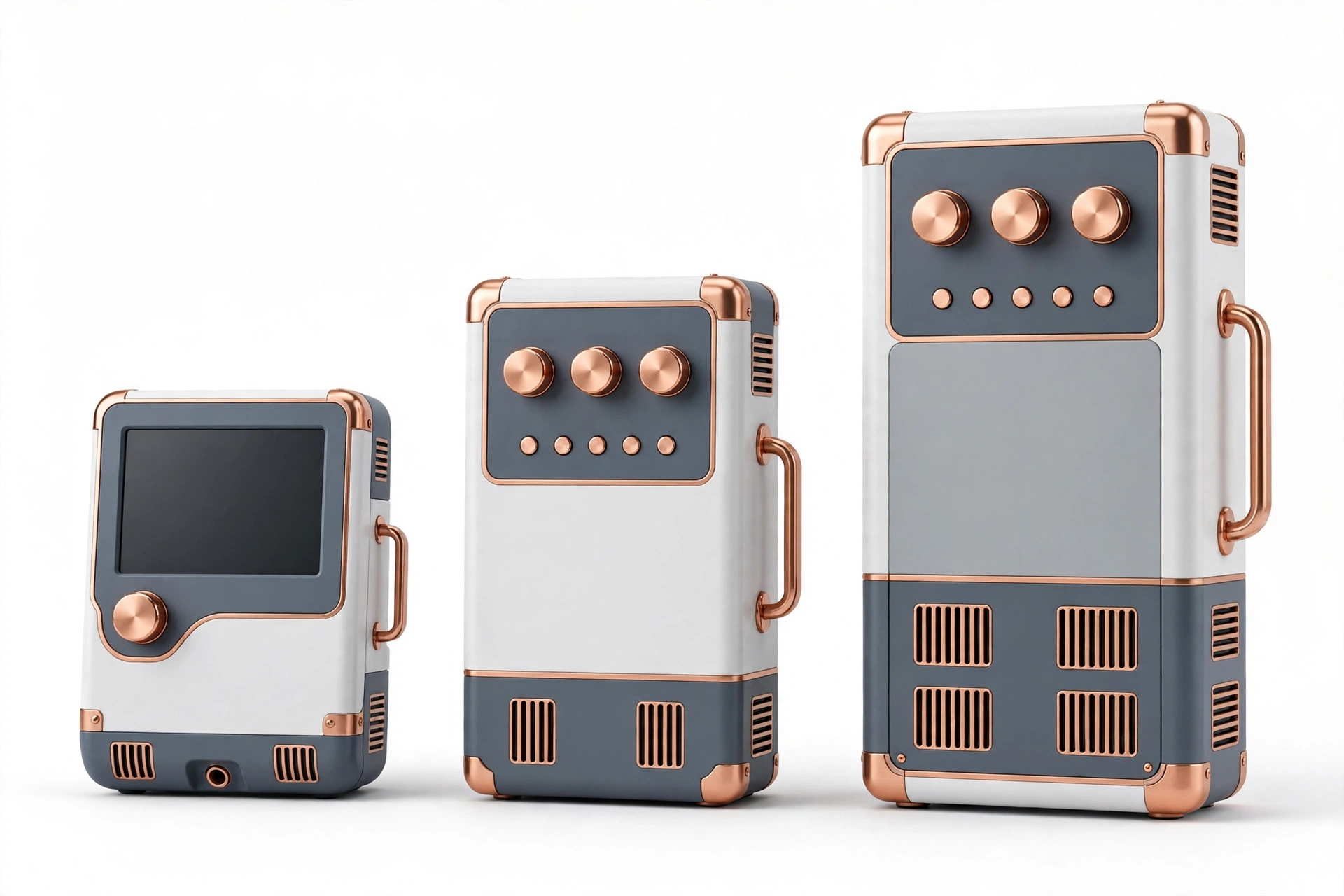
The Standard-A's floor-standing format suits the dedicated laser room and the high-volume list; the Smart-M's benchtop format suits the multi-use room, the satellite site and the clinic adding a second treatment point. Both are standalone devices with no network connectivity, which simplifies clinical IT governance. Training, service cover and the documentation pack are confirmed per market through the inquiry route — send your clinic's profile and treatment volumes, and the reply will recommend a format and configuration against them.
- Write consent and advertising inside the cleared indication
- Evaluate the parameter window before the cabinet
- Match format to room model: dedicated vs multi-use
- Confirm training and service structure per market
Governance: the file behind the treatment room door
A clinic's diode programme stands on a file as much as on a machine. The file holds the platform's cleared indication, the protocol book derived from it, operator training records, consent templates written inside the cleared wording, adverse-event procedures, and the maintenance log. Inspectors, insurers and — if it ever comes to it — lawyers all read that file, and its quality decides whether an incident is a managed event or an existential one. Building it is a fortnight of unglamorous work at setup and an hour a month thereafter; clinics that skip it are not saving effort, they are borrowing it from a future crisis at punitive interest.
The protocol book deserves its own discipline. It translates the manufacturer's published window — 810 nm nominal emission, 10×10 mm spot, 1–40 J/cm² fluence, 3–160 ms pulses, 1–10 Hz repetition, sapphire and TEC cooling — into house rules by skin type and body area: starting points, escalation steps, cooling checks, stopping rules. Written by the lead clinician, versioned, and reviewed after any incident or new evidence, it is what makes five operators behave like one clinic. The consultation script hangs off the same document, so the promises made in the marketing suite and the parameters set in the treatment room can never quietly diverge.
Capacity planning and the second-room question
A successful diode room eventually faces a happy problem: the diary fills, waiting lists form, and the question of a second platform arrives. The data to consult are utilisation by hour, refusal and deferral counts, and the case mix being turned away. If the pressure is raw volume on the same menu, a second Milestone-format room replicates a proven system with shared training and documentation. If the pressure is a distinct clientele — lighter-hair clients asking for the alexandrite tradition, or a tattoo-removal demand the clinic keeps declining — the second purchase should answer that demand instead. Buying a duplicate of a bottleneck is sensible; buying a duplicate of a success while a different queue grows outside is not.
The two-format structure of the Milestone line gives growing clinics a gentler intermediate step: add the compact Smart-M as a satellite for smaller rooms, overflow lists and second sites before committing to a second flagship room. Because the cleared window is shared, the satellite is a capacity decision rather than a clinical one, and it can be reversed or redeployed as the group's shape changes.
Measuring a programme, not a machine
Clinics review their lasers too narrowly when they review them at all. The meaningful dashboard is programme-level: course completion rates, sessions delivered per client against plan, rebooking into maintenance, adverse events per thousand sessions, revenue per treatment-room hour, and the proportion of consultations converting to courses. A platform can be flawless while the programme leaks — consultations that oversell, protocols that drift, follow-up that never happens. Reviewing the programme quarterly, with the lead clinician and the diary manager reading the same numbers, catches drift while it is still a conversation rather than a reputation. The machine's own service record belongs on the same page, because uptime is a programme metric wearing overalls.
Incident readiness: the afternoon something goes wrong
Every laser clinic eventually meets its difficult afternoon: an unexpected skin reaction, a client in distress, a parameter error discovered mid-list. Readiness is procedural, not temperamental. The room should hold a written immediate-response sequence — stop, cool, assess, document, escalate — that any team member can execute without waiting for the lead clinician to be found. The follow-up sequence matters as much: same-day senior review, honest disclosure to the client about what is known and not yet known, a documented care plan, and a case review within the week that asks what the system, not merely the individual, should change. Clinics rehearse this the way they rehearse fire drills, briefly and without drama, because the day it is needed is the wrong day to be inventing it.
Ask for a configuration and quotation
Send your market, the products you are evaluating and your buying pattern — the reply covers configuration, documentation and commercial structure.
Send an inquiry