2026-10-28
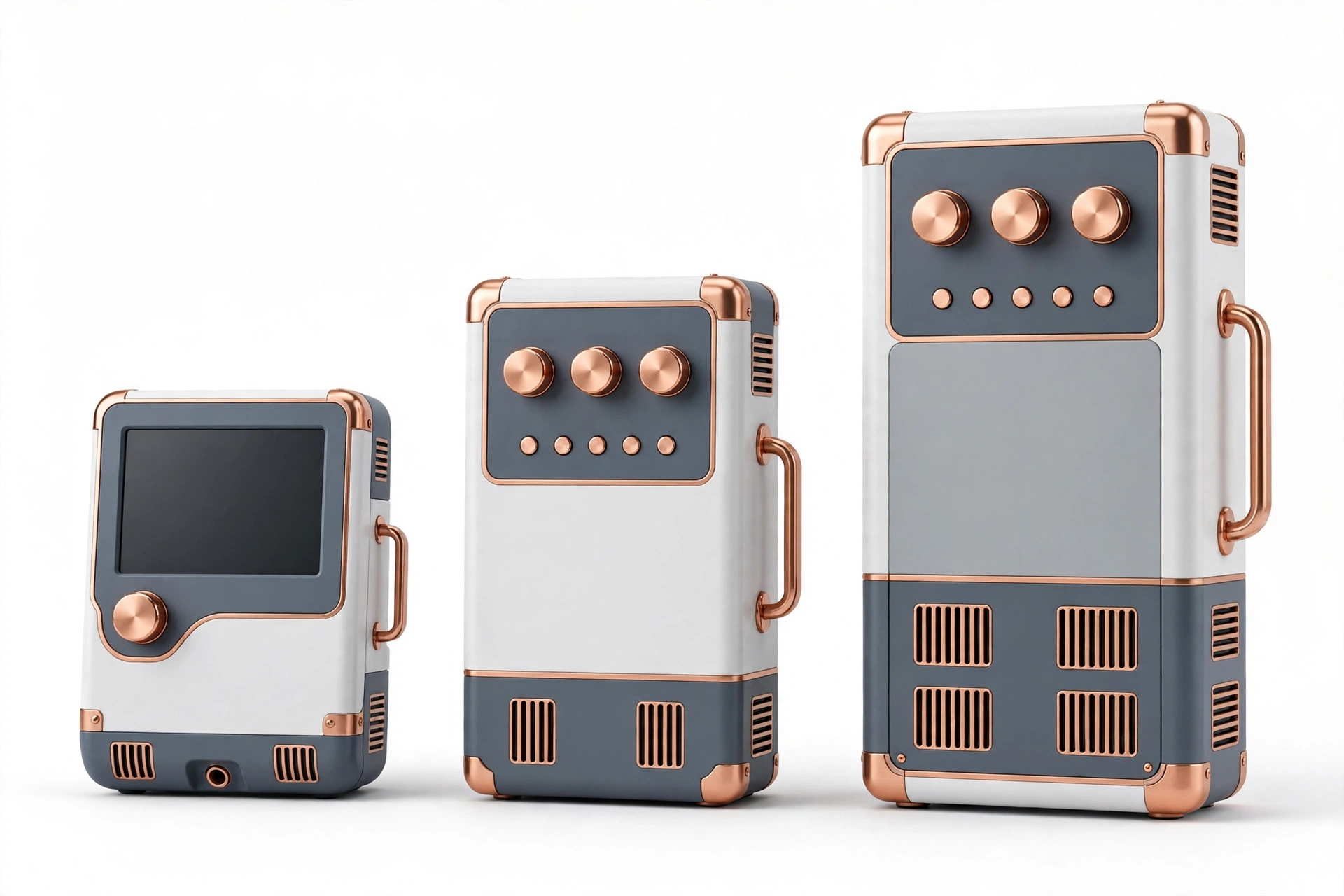
A diode laser is usually the largest single equipment decision a young aesthetic clinic makes, and it is often made backwards: cabinet first, price second, clinical fit last. This article sets out the order experienced buyers use — indication, parameter space, format, documentation — and shows what each step actually decides.
2026-10-21
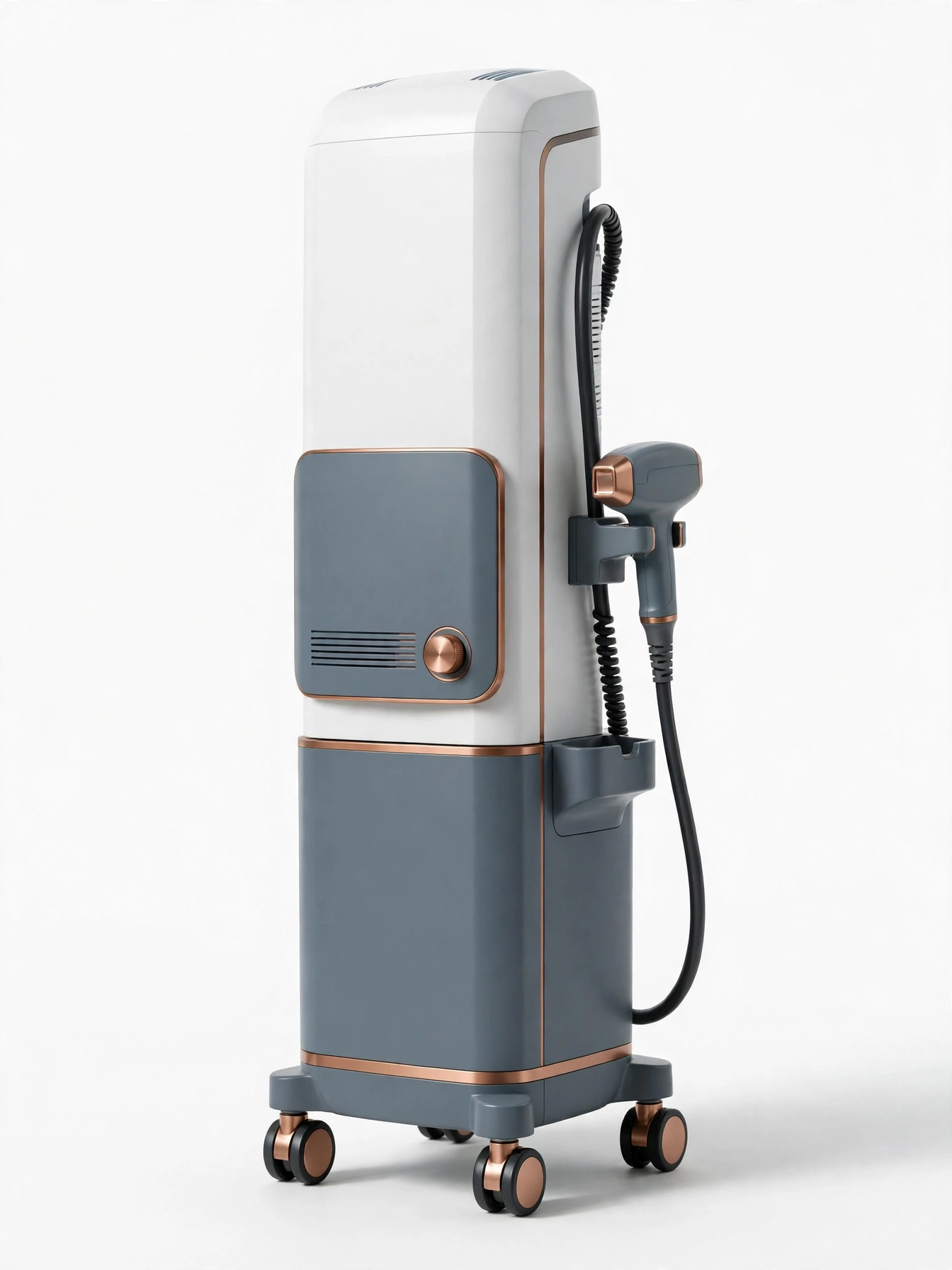
Every diode hair removal specification leads with a wavelength, and 810 nm is the figure that anchors the professional end of the market. This article explains what that number physically means, why it carries a tolerance, and how it produces the treatment behaviour — including the full skin-type range — that buyers are actually purchasing.
2026-10-14
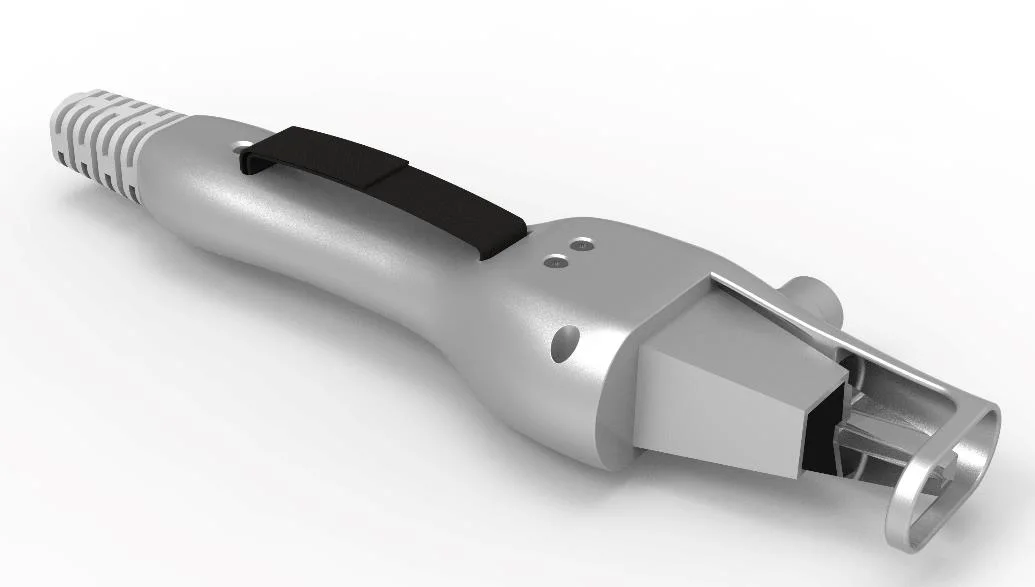
Most clinics that ask 'alexandrite or diode?' are really asking where to put their first serious capital. The answer depends on four things — patient mix, clinician background, cooling preference and growth plan — and this framework works through them in that order.
2026-10-07
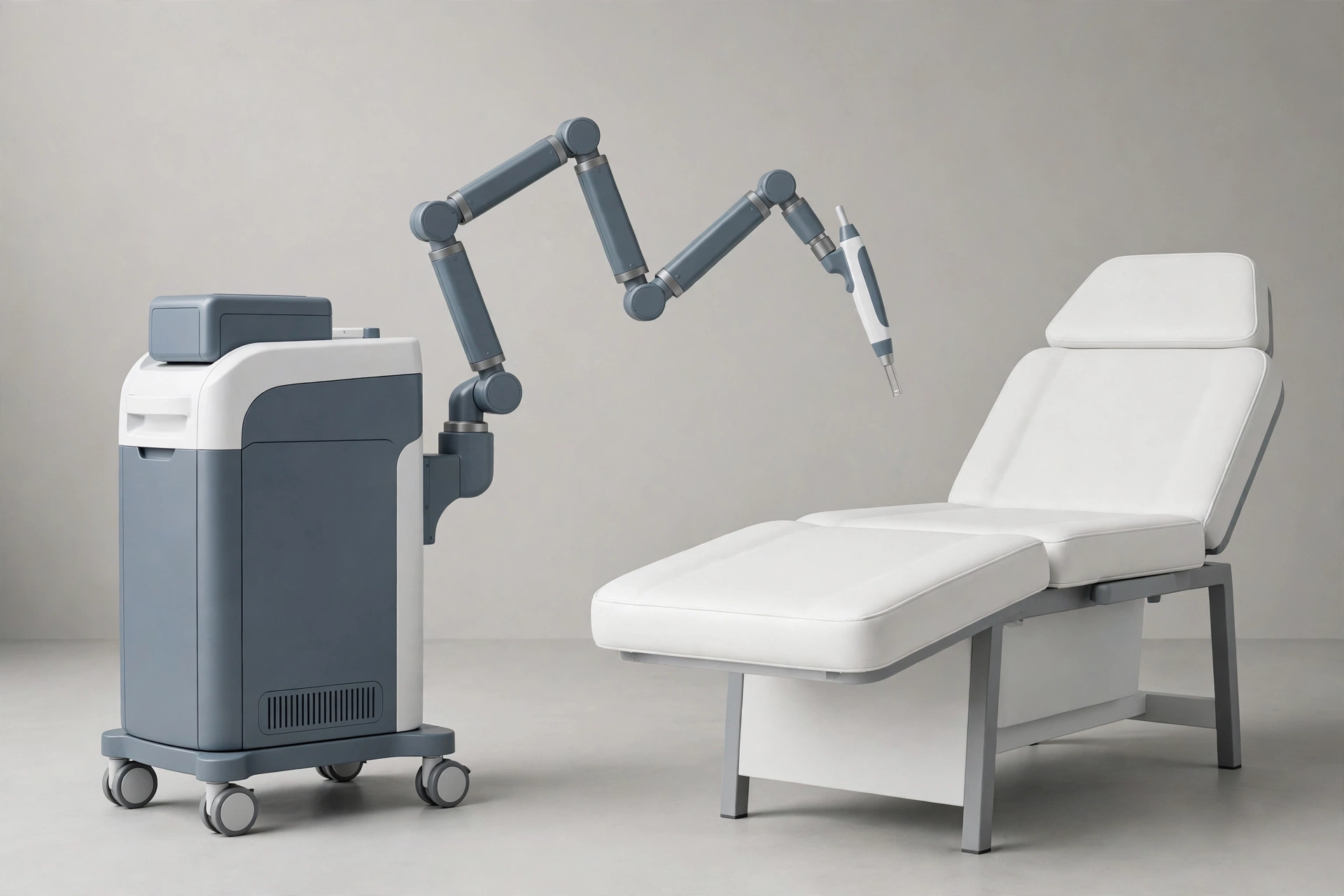
Tattoo removal patients ask two questions — how does it work, and how long will it take. This article answers the first properly: the Q-switched pulse, the fragmentation of ink particles, the body's clearance role, and why those facts dictate the session spacing that answers the second.
2026-09-30
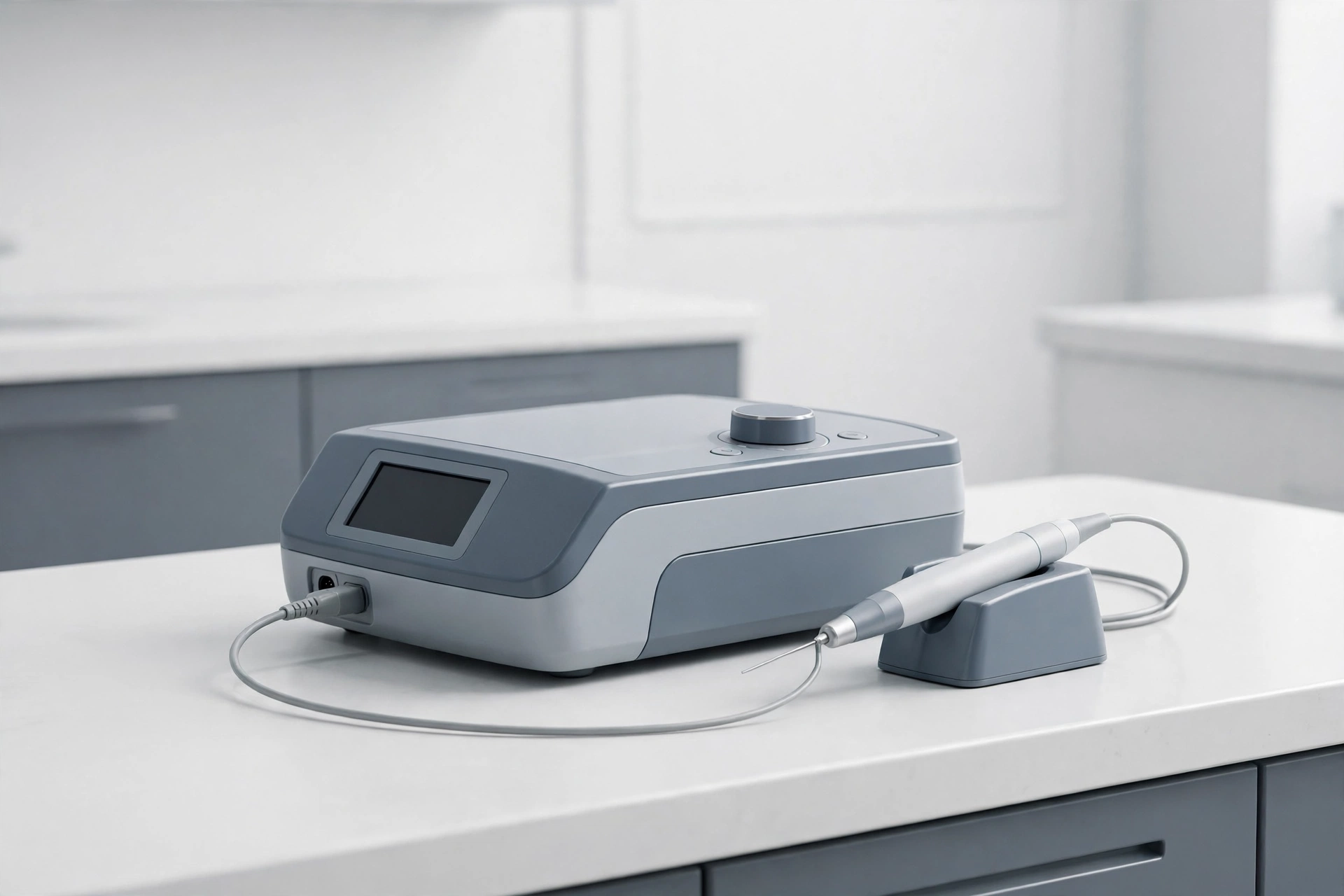
Dental diode lasers have moved from novelty to standard kit in practices that do regular soft-tissue work. This guide covers the practical case: what the laser actually changes at the chair, how the fibre workflow fits a surgery day, and how to size a dual-wavelength unit like the DentaLase to a practice's procedure mix.
2026-09-23
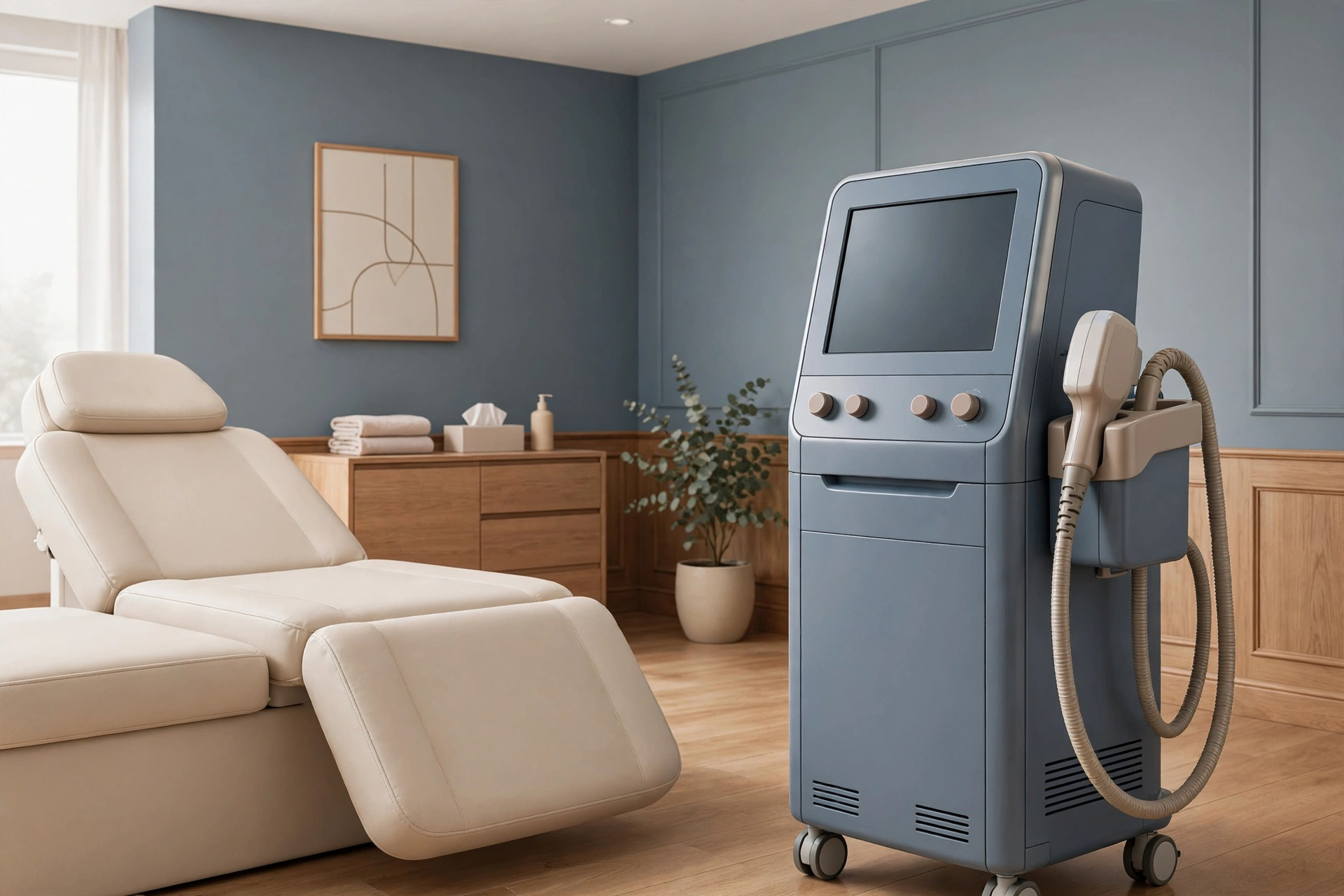
Laser lipolysis succeeds or fails on the consultation conversation. Patients arrive with expectations borrowed from surgical liposuction advertising and non-invasive shaping promises at the same time. This guide gives clinics the honest framing — candidate selection, the procedure's place between the two alternatives, and outcome language that survives contact with reality.